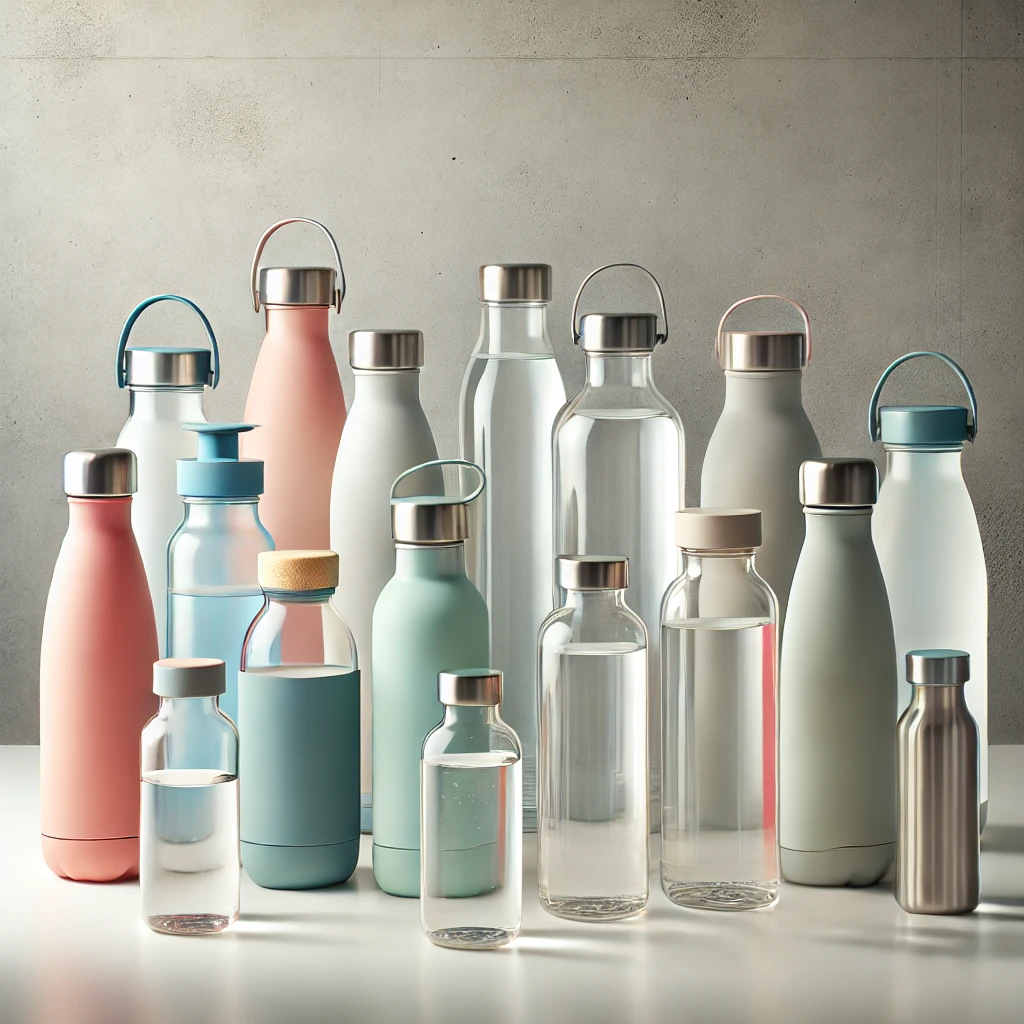
Introduction
In a world increasingly conscious of health and environmental sustainability, glass water bottles have emerged as a popular alternative to plastic. Glass offers numerous advantages, including purity of taste, absence of harmful chemicals, and a smaller ecological footprint. This article delves into the various benefits of using glass water bottles, providing a comprehensive understanding of why they are a superior choice for your hydration needs.
Why Choose Glass Water Bottles?
Health Benefits: Glass water bottles are made from non-toxic materials, ensuring that no harmful chemicals leach into your water. This makes them a safer choice compared to plastic bottles, which can contain BPA and other harmful substances.
Environmental Impact: Using glass water bottles reduces the amount of plastic waste, as glass is 100% recyclable and can be reused indefinitely without loss of quality.
Aesthetic Appeal: Glass bottles offer a sleek and elegant look, often available in a variety of designs and colors that appeal to a wide range of personal styles.
Health Benefits of Glass Water Bottles
BPA-Free: Unlike plastic bottles, glass water bottles are free from Bisphenol A (BPA), a chemical linked to various health issues. This ensures a healthier drinking experience.
No Harmful Chemicals: Glass is an inert material, meaning it doesn’t release any chemicals into the water, maintaining its purity and safety.
Non-Reactive Surface: The non-reactive nature of glass prevents any interaction between the bottle and its contents, ensuring that the water remains uncontaminated and pure.
Environmental Advantages
Recyclability: Glass is one of the most recyclable materials, capable of being recycled indefinitely without losing its quality or purity.
Reduction of Plastic Waste: By choosing glass, you contribute to the reduction of plastic waste, helping to combat pollution and protect marine life.
Sustainable Material: Glass is made from natural raw materials such as sand, soda ash, and limestone, making it a sustainable choice for environmentally conscious consumers.
Taste and Purity
No Flavor Transfer: Glass does not absorb flavors or odors, ensuring that your water tastes fresh and clean with every sip.
Maintains Water Purity: The non-porous nature of glass keeps contaminants out, maintaining the purity of your water.
Better Taste: Many users report that water tastes better when stored in glass bottles compared to plastic or metal alternatives.
Durability and Longevity
Strength of Glass: While glass can break if dropped, it is surprisingly strong and durable, especially when made from borosilicate glass.
Reusability: Glass bottles are designed for long-term use, reducing the need for frequent replacements and contributing to sustainability.
Long-Term Cost Savings: Investing in a high-quality glass water bottle can save money over time, as it reduces the need to buy disposable plastic bottles.
Aesthetic and Functional Appeal
Elegant Design: Glass water bottles are often designed with aesthetics in mind, offering a sleek and sophisticated look.
Transparency: The transparency of glass allows you to see the contents, making it easy to monitor your water intake and ensure cleanliness.
Customization Options: Many glass water bottles can be customized with different colors, patterns, and even personalized engravings.
Comparing Glass to Other Materials
Glass vs. Plastic: Glass is free from harmful chemicals and does not retain flavors, making it a healthier and more enjoyable choice.
Glass vs. Stainless Steel: While stainless steel is durable, it can impart a metallic taste to water, which glass does not.
Glass vs. Aluminum: Aluminum bottles often require a plastic or epoxy lining to prevent corrosion, which can potentially leach chemicals into the water.
Cleaning and Maintenance
Easy to Clean: Glass water bottles are easy to clean, as they do not retain odors or flavors.
Dishwasher Safe: Most glass water bottles are dishwasher safe, making them convenient to maintain.
Stain-Resistant: Glass is resistant to staining, ensuring that your bottle looks clean and new even after extended use.
Health and Safety Considerations
Safe Drinking Experience: Glass bottles provide a safe drinking experience as they do not leach chemicals into the water.
Non-Toxic: Made from natural materials, glass is non-toxic and safe for long-term use.
Chemical Resistance: Glass is resistant to a wide range of chemicals, making it a reliable choice for storing beverages.
Economic Benefits
Long-Term Investment: Investing in a glass water bottle can save money in the long run by reducing the need for disposable bottles.
Reduced Need for Replacements: The durability of glass means fewer replacements, contributing to cost savings over time.
Cost-Effectiveness: Though the initial cost may be higher, the long-term savings make glass water bottles a cost-effective choice.
Innovative Features
Infusers: Many glass water bottles come with built-in infusers, allowing you to add fruits, herbs, or tea for a flavored hydration experience.
Protective Sleeves: Protective silicone sleeves are available to enhance grip and prevent breakage.
Custom Designs: Glass water bottles often feature custom designs and patterns, allowing for a personalized touch.
Glass Water Bottles for Different Lifestyles
Active Lifestyle: For those with an active lifestyle, glass water bottles offer durability and the ability to keep water pure and fresh.
Office Use: In an office setting, glass water bottles provide a professional and elegant look, promoting healthy hydration habits.
Travel-Friendly Options: Many glass water bottles are designed to be travel-friendly, with features such as leak-proof lids and protective covers.
Choosing the Right Glass Water Bottle
Size Options: Glass water bottles come in various sizes to suit different needs, from small, portable options to larger bottles for extended hydration.
Design Preferences: With a wide range of designs available, you can choose a bottle that matches your personal style and functional requirements.
Brand Comparisons: Researching different brands and models can help you find a glass water bottle that offers the best features and value.
Popular Brands and Models
Top Brands: Some of the top brands for glass water bottles include Lifefactory, BKR, and Soma, known for their quality and design.
Customer Reviews: Reading customer reviews can provide insights into the durability, functionality, and aesthetic appeal of different glass water bottles.
Feature Highlights: Look for features such as leak-proof lids, built-in infusers, and protective sleeves when choosing a glass water bottle.
Customizable Options
Personalized Bottles: Many companies offer the option to personalize your glass water bottle with your name or custom designs.
Logo Printing: Businesses can have their logos printed on glass water bottles, making them great for corporate gifts or promotional items.
Color Choices: Glass water bottles come in a variety of colors, allowing you to choose one that fits your personal style.
Potential Drawbacks and How to Mitigate Them
Fragility: While glass is durable, it can break if dropped. Using a protective sleeve can help mitigate this risk.
Weight: Glass bottles are heavier than plastic or metal options, but choosing a smaller size can make them more manageable.
Solutions for Protection: Protective sleeves and carrying cases are available to protect glass water bottles from breakage and make them easier to transport.
Frequently Asked Questions
Are glass water bottles safe for children?
Yes, glass water bottles are safe for children, especially when equipped with protective silicone sleeves to prevent breakage.
Can glass water bottles be used for hot beverages?
Yes, borosilicate glass water bottles can handle hot beverages without breaking or leaching chemicals.
How do I clean my glass water bottle?
water bottles can be cleaned with warm soapy water or placed in the dishwasher for convenience.
Is there any risk of chemicals leaching from glass?
No, glass is an inert material and does not leach any chemicals into its contents.
What sizes do glass water bottles come in?
Glass water bottles are available in a range of sizes, typically from 12 oz to 32 oz, to suit different hydration needs.
Are glass water bottles environmentally friendly?
Yes, glass water bottles are environmentally friendly as they are recyclable and reduce the reliance on single-use plastics.
User Testimonials
Real-Life Experiences: Many users have reported improved taste and purity of water when switching to glass water bottles.
Success Stories: Stories from individuals who have successfully integrated glass water bottles into their daily routines highlight the benefits of making the switch.
Personal Anecdotes: Personal experiences often emphasize the durability, aesthetic appeal, and health benefits of using glass water bottles.
Conclusion
Switching to glass water bottles offers numerous benefits, from health and environmental advantages to improved taste and aesthetic appeal. By choosing glass, you can enjoy a safer, more sustainable, and stylish hydration experience. Embrace the change and invest in a glass water bottle to reap the long-term benefits for both yourself and the planet.