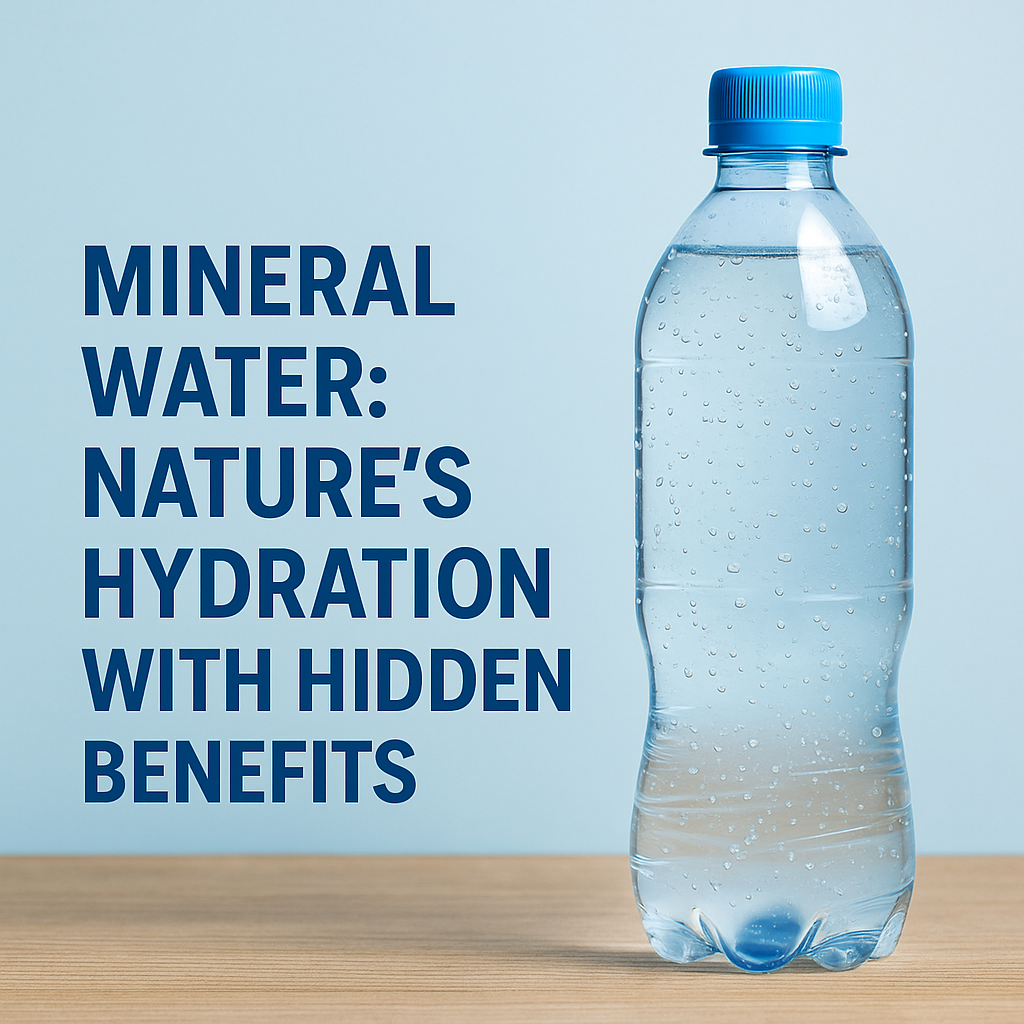
What exactly is mineral water?
Mineral water is water that comes from natural underground reservoirs and springs. Unlike regular tap water, it contains naturally occurring minerals such as calcium, magnesium, sodium, and potassium. These minerals are absorbed as the water flows through layers of rock, making each source unique in taste and composition. Some mineral waters are naturally carbonated, while others are bottled still, giving consumers a range of choices.
Why do people choose mineral water over tap or filtered water?
Many people believe mineral water offers a purer and more refreshing taste compared to tap water. It’s often free from chemical treatments like chlorine, which municipalities use to make tap water safe. Beyond taste, the presence of minerals provides added health benefits. For those seeking wellness in everyday habits, choosing mineral water is often viewed as a simple upgrade.
What health benefits can mineral water provide?
The minerals found in mineral water aren’t just for taste—they play vital roles in maintaining health:
- Calcium: Supports bone strength and dental health.
- Magnesium: Helps regulate blood pressure and supports nerve function.
- Sodium: Assists in hydration balance, especially important for athletes.
- Potassium: Maintains heart and muscle function.
Studies suggest mineral water may support digestion, improve hydration efficiency, and even contribute to cardiovascular health. While it isn’t a miracle drink, incorporating it into your routine can help complement a balanced diet.
Is mineral water environmentally friendly?
This is where the debate begins. While mineral water is natural, the bottling and transportation process can leave a significant carbon footprint. Glass bottles are recyclable, but many mineral waters are sold in plastic, which often ends up in landfills. Conscious consumers can look for brands that use recycled packaging or source their water responsibly. Refillable bottles and sustainable practices are also shaping the future of the industry.
How does mineral water fit into a modern lifestyle?
For many, mineral water represents more than hydration—it’s part of a wellness routine. Some people enjoy sparkling mineral water as a healthier alternative to soda, while others prefer it as a natural pairing with meals. High-end restaurants often serve mineral water to complement flavors. Athletes, too, may turn to mineral water to replenish electrolytes after workouts. In short, it’s a versatile option that fits into both luxury dining and everyday living.
What should you consider when choosing a mineral water?
Not all mineral waters are the same. Key factors to consider include:
- Source: Natural spring vs. bottled municipal water labeled as “enhanced.”
- Mineral content: Some waters are high in sodium, which may not suit all health needs.
- Carbonation: Do you prefer still or sparkling?
- Taste: Each brand has a unique mineral profile, which affects flavor.
Reading labels can help you select a mineral water that matches your health goals and taste preferences.
What does the future of mineral water look like?
As consumers grow more health-conscious, the mineral water industry continues to expand. Innovations include flavored sparkling mineral waters, eco-friendly packaging, and functional waters infused with extra nutrients. The challenge lies in balancing demand with sustainability—ensuring the natural springs that supply mineral water are protected for future generations.
Frequently Asked Questions (FAQ)
1. Is mineral water safe to drink every day?
Yes. For most people, drinking mineral water daily is safe and beneficial. The minerals support general wellness, though those with specific medical conditions (like kidney issues or high blood pressure) should check mineral levels, especially sodium.
2. Can mineral water replace regular tap water?
It can supplement or replace tap water, but it’s typically more expensive. Many people use a mix—tap water for cooking and everyday use, mineral water for drinking.
3. Is sparkling mineral water bad for teeth?
Sparkling mineral water is mildly acidic due to carbonation, but it’s far less harmful than sugary sodas. Drinking it in moderation shouldn’t cause dental issues, especially if you practice good oral hygiene.
4. Does mineral water hydrate better than tap water?
Mineral water may enhance hydration because of its electrolytes, but the difference is usually small. Both tap water and mineral water will hydrate you effectively.
5. What’s the difference between mineral water and spring water?
Spring water comes from an underground source but may not contain significant mineral levels. Mineral water, by definition, must contain a consistent amount of naturally occurring minerals.
6. Is bottled mineral water regulated?
Yes. In most countries, bottled mineral water must meet strict safety and labeling standards. Regulations ensure the water is sourced, processed, and bottled under hygienic conditions.
7. How can I reduce the environmental impact of drinking mineral water?
Opt for glass bottles when available, recycle plastic, or choose brands that prioritize sustainability. You can also use mineral-rich filters at home as an eco-friendly alternative.